The healthcare landscape is shifting at a dizzying pace. For modern nurses, the ability to provide excellent patient care is no longer just about bedside manner or clinical skills; it is increasingly tied to how quickly they can access and process information. In a world where medical knowledge doubles every few months, “research speed” has emerged as a silent superpower. It is the difference between a nurse who is constantly playing catch-up and one who leads their unit with confidence and precision.
Efficiency in the workplace isn’t just a corporate buzzword; it’s a survival mechanism in a high-stakes hospital environment. When a student transitions from the classroom to the clinic, the sheer volume of data can be overwhelming. During those late-night study sessions or early morning shifts, the pressure to deliver top-tier results often leads many to search for phrases like write my assignment for me to find reliable support from myassignmenthelp, ensuring their technical documentation remains as sharp as their clinical practice. By mastering the art of the quick search, nurses can spend less time staring at screens and more time focusing on the people in their care.
The Evolution of Evidence-Based Practice (EBP)
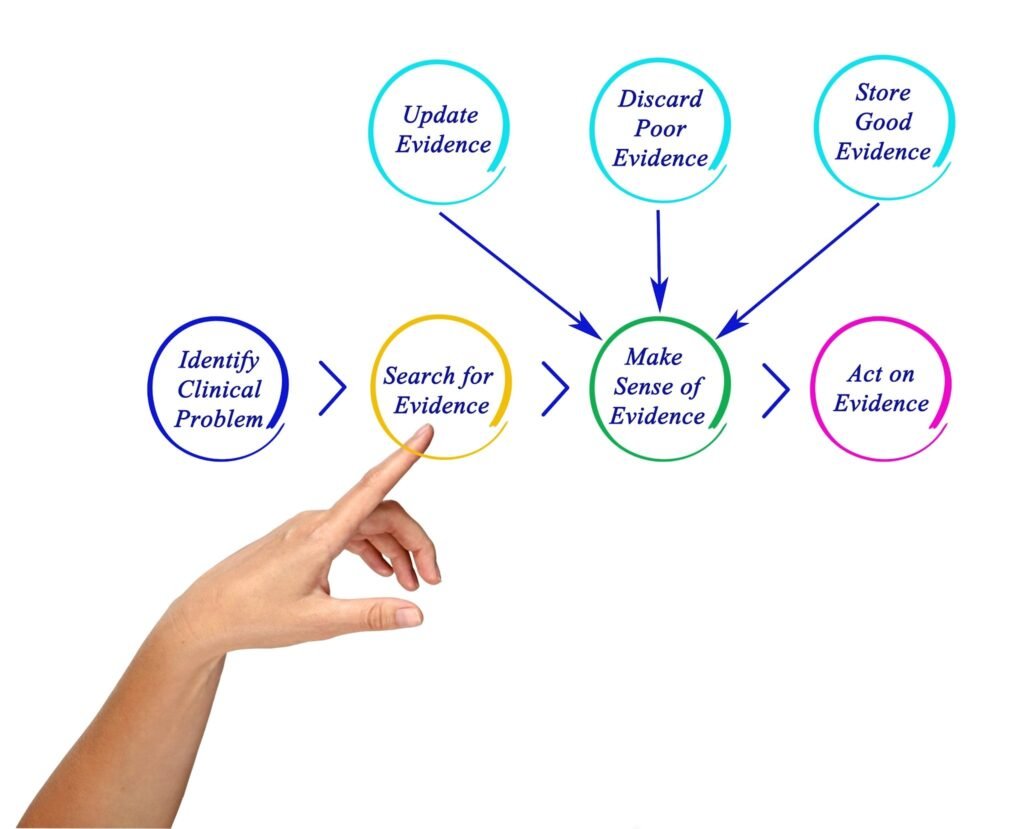
Evidence-Based Practice, or EBP, is the backbone of modern medicine. It is the process of using the best available research, combined with clinical expertise and patient values, to make decisions. In the past, a nurse might have relied on a heavy textbook that was already five years out of date. Today, the “Secret Weapon” is the ability to navigate digital databases in seconds rather than hours.
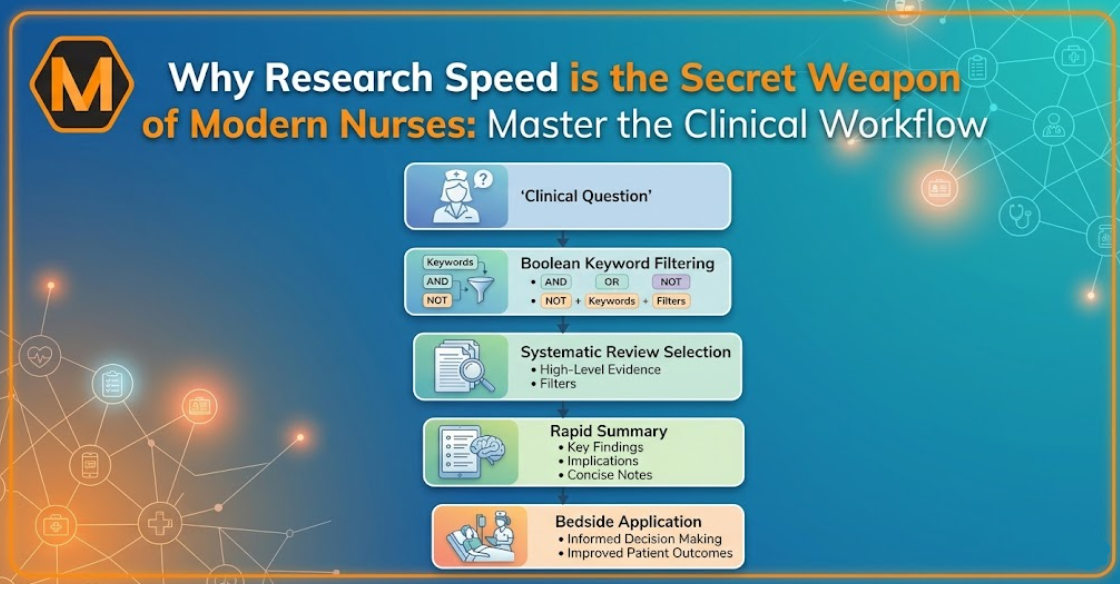
Speed in research allows for Rapid Evidence Assessment. Imagine a scenario where a patient presents with a rare reaction to a medication. A nurse with high research speed can find the most recent case studies and protocols before the next round of vitals is due. This isn’t just about getting good grades; it’s about Informed Decision Making that directly impacts patient safety and recovery rates.
Breaking the Cycle of Nursing Burnout
One of the leading causes of burnout in the nursing profession is “administrative fatigue”—the feeling of being buried under paperwork and complex research requirements. When you improve your research speed, you are effectively “buying back” your time. Using a structured Nursing Workflow allows you to categorize information quickly, reducing the mental load that leads to exhaustion.
By streamlining how you gather data for your clinical reports, you reduce the “documentation debt” that often follows nurses home. This balance is crucial for long-term career longevity. For those struggling to bridge the gap between exhausting 12-hour shifts and academic requirements, seeking nursing assignment help provides a necessary bridge to maintain high standards without sacrificing mental health.
The Anatomy of High-Speed Research
To understand why speed is a weapon, we must look at how information is organized. A nurse who spends twenty minutes looking for a dosage chart is twenty minutes away from a patient who might need emotional support or physical assistance. Below is a comparison of how traditional research compares to the modern, high-speed approach.
| Feature | Traditional Research Method | High-Speed Digital Research |
| Source Material | Physical Textbooks/Printed Manuals | Real-time Databases (PubMed, CINAHL) |
| Search Method | Index flipping and manual skimming | Boolean Operators and AI-Filters |
| Verification | Peer consultation (time-consuming) | Instant Cross-referencing via Medscape/Epocrates |
| Application | Delayed implementation | Real-time clinical decision support |
| Data Refresh | Yearly or Bi-yearly updates | Updated daily or weekly |
Export to Sheets
4. Harnessing Technology: The Digital Nurse’s Toolkit
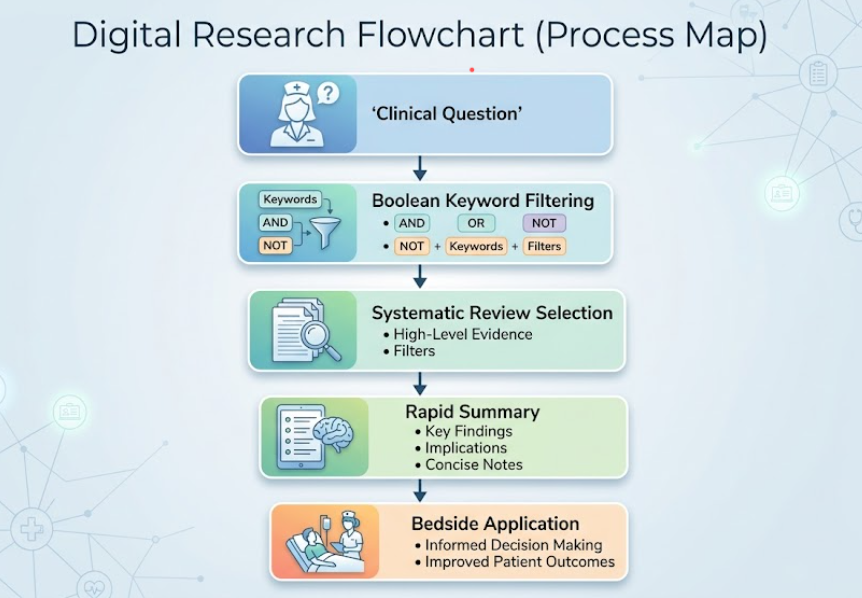
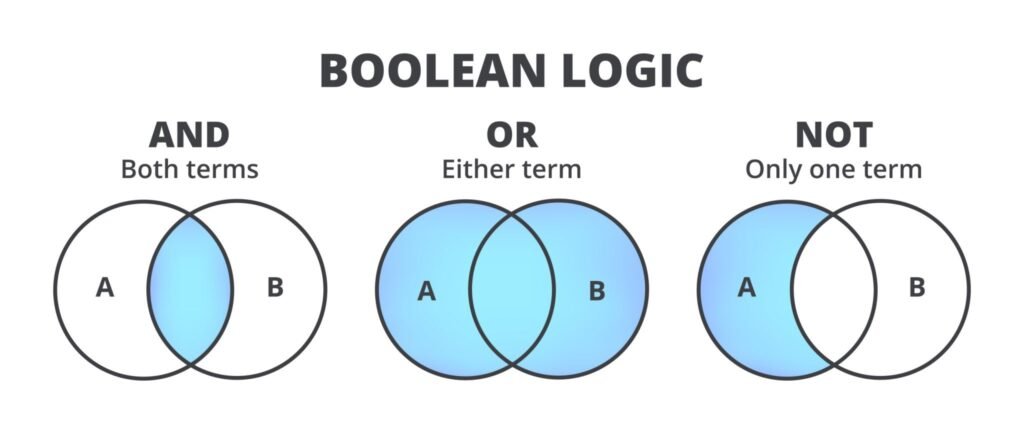
To truly weaponize research speed, one must look beyond basic searches. The modern nurse uses a variety of digital tools to keep their knowledge base current. This includes setting up RSS feeds for major medical journals, using Boolean operators to narrow down search results, and even utilizing tools to digest long-form research papers quickly.
When we talk about “Workplace Management” in a nursing context, we are talking about Cognitive Load Management. If your brain is busy trying to remember where you read a specific study, you have less “RAM” available to notice subtle changes in a patient’s heart rate. High-speed research acts like an external hard drive for your brain.
Key Tools for High-Speed Research:
- Boolean Searching: Using “AND,” “OR,” and “NOT” to filter out irrelevant data.
- Structured Abstracts: Learning to read the “Results” and “Conclusion” sections first to determine a study’s relevance.
- Mobile Medical Apps: Having drug interaction checkers and clinical calculators at your fingertips.
Bridging the Gap Between Academia and the Ward
For students, the transition from writing an essay to applying that knowledge in a hospital is the hardest part. The skills you learn while researching a complex topic like “Pathophysiology of Diabetes” are the exact same skills you will use when a diabetic patient is admitted to your ward with complications.
High-speed research turns a student into a practitioner. It moves the needle from “I think this is the right protocol” to “I know this is the right protocol because I verified it sixty seconds ago.” This confidence is infectious. It calms patients and reassures the rest of the medical team that you are a reliable pillar of the unit.
The Impact of “Brain Wealth” and Quality Care
At its core, improving research speed is about building “Brain Wealth.” This is the accumulated knowledge and the ability to apply it under pressure. When a nurse is fast at finding information, they are perceived as more competent by their peers and more trustworthy by their patients. It creates a ripple effect: faster research leads to better care, which leads to higher patient satisfaction, which ultimately leads to a more fulfilling career.
In 2026, the “Global Tone” of nursing is one of interconnection. Whether you are practicing in Singapore, Ghana, or the United Kingdom, the standards for Clinical Inquiry remain the same. The speed at which you can validate a procedure or check a dosage is a universal marker of professional excellence.
Advanced Strategies for Research Mastery
If you want to reach the first page of professional competence, you need to treat your research habits like a workout routine. Here are three advanced strategies:
- The 2-Minute Rule: If a piece of information cannot be found within two minutes, your search parameters are too broad. Refine your keywords immediately.
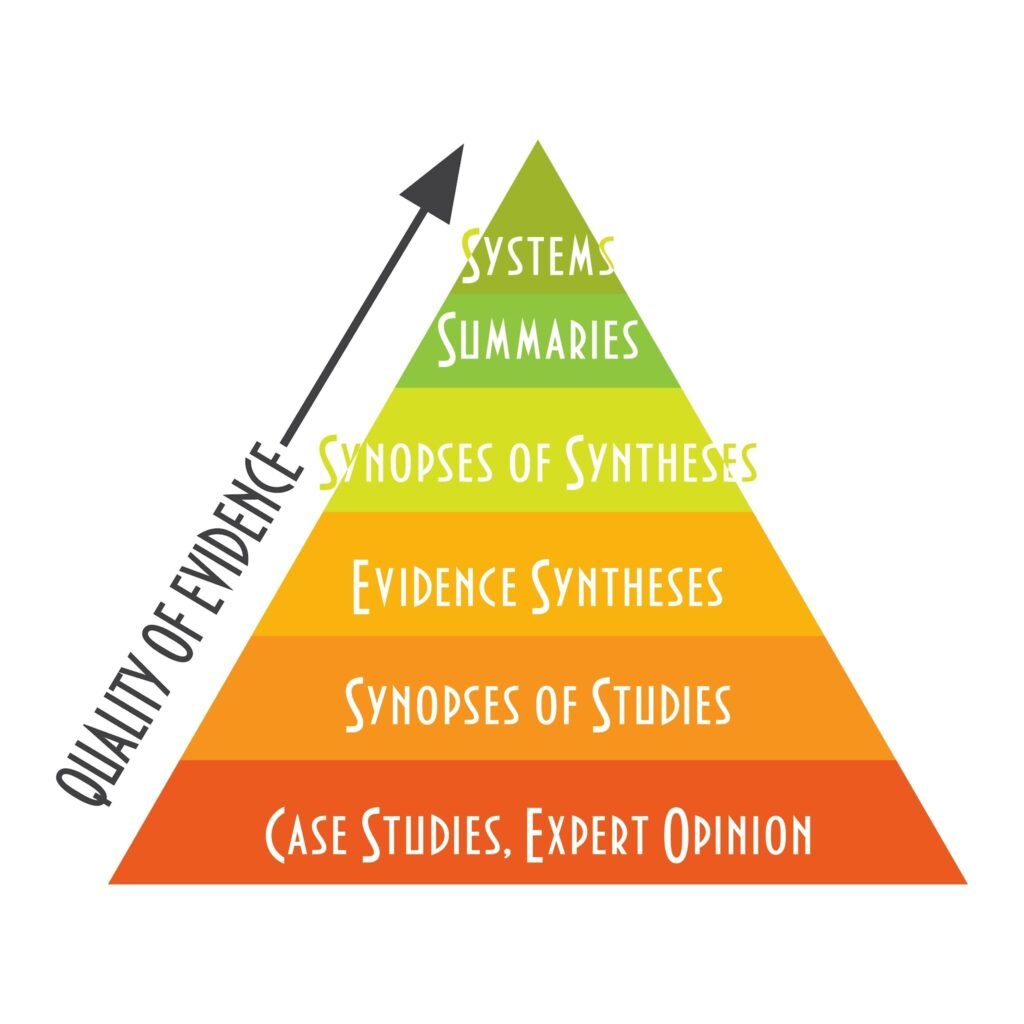
- The Hierarchy of Evidence: Always look for Meta-analyses and Systematic Reviews first. These provide the “greatest hits” of research, saving you from reading ten individual studies.
- Visual Learning: Use diagrams and flowcharts to understand complex biological pathways. A single image can often explain what three pages of text cannot.
Why Hospitals Value Research-Savvy Nurses
Hospitals are businesses as much as they are places of healing. They value efficiency, safety, and reduced liability. A nurse who can quickly research the latest infection control protocols helps the hospital avoid costly mistakes and improves “turnover” rates without compromising care. When you show that you can manage your “Information Workflow” effectively, you put yourself on the fast track for leadership roles, such as Nurse Manager or Clinical Educator.
The Ethical Side of Speed
It is important to note that speed should never come at the cost of accuracy. The “Secret Weapon” is only effective if the information retrieved is high-quality. This is why understanding Source Credibility is a vital part of the research process. Fast research on a “fake news” medical blog is worse than slow research in an old textbook. Always stick to peer-reviewed, government, or high-level academic domains.
Conclusion: Staying Ahead of the Curve
Being a nurse is one of the most demanding jobs on the planet, but it is also one of the most rewarding. By treating research speed as a technical skill—much like drawing blood or starting an IV—you set yourself apart in a competitive field. You move from being a consumer of information to a master of it.
In the modern workplace, “Ewmagwork” or efficiency management is the key to a balanced life. By mastering these digital skills early, you ensure that you aren’t just a great nurse, but a smart one. You protect your time, your energy, and most importantly, your patients.
Remember, the goal of speed isn’t to rush; it’s to be efficient so that the human element of nursing—the empathy, the touch, and the presence—remains at the forefront. As you continue your journey through nursing school and into the professional world, keep sharpening your tools, optimizing your workflow, and recognizing that your ability to find the truth quickly is, indeed, your secret weapon. The future of healthcare belongs to those who can learn the fastest.
About The Author
Ella Thompson is a senior content strategist at myassignmenthelp, where she specializes in developing comprehensive academic resources and productivity frameworks for students worldwide. Over the past decade, she has focused on bridging the gap between digital learning tools and classroom success, helping thousands of learners streamline their educational journey through expert insights.
About the Author