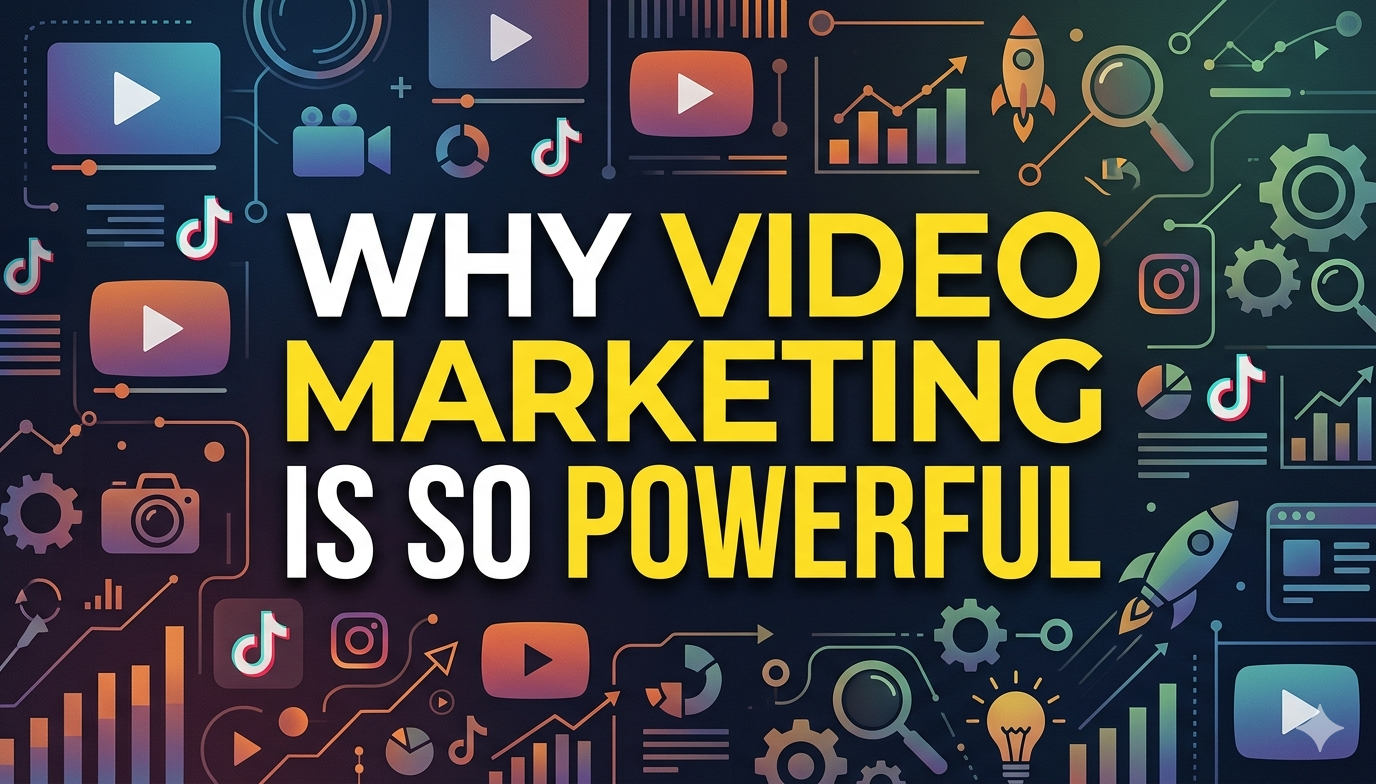
why video marketing is so powerful
In the modern digital economy, businesses compete not only on price or product quality but also on attention. Audiences are flooded with information every day, and brands must work harder than ever to stand out. Among all content formats, video has emerged as the most influential medium for capturing interest, building trust, and driving action. Many marketers ask why video marketing is so powerful in shaping consumer decisions and accelerating business growth. The answer lies in a mix of psychology, technology, and changing audience behavior that together make video uniquely effective.
This article explores the true depth of video marketing, examining how it connects with human emotions, adapts to digital platforms, and supports long-term brand strategies. By understanding its mechanics and strategic value, businesses can use video not as a trend, but as a core communication tool in a rapidly evolving marketplace.
The Human Brain and Visual Storytelling
One of the strongest explanations for why video marketing is so powerful comes from how the human brain processes information. People are naturally drawn to movement, faces, and stories. Video combines visuals, sound, and narrative into a single experience, making it easier for viewers to understand and remember messages. Unlike plain text, video can show context, emotion, and tone instantly.
Stories told through video trigger emotional responses that written content often struggles to match. Emotion plays a critical role in decision-making, influencing what people remember and how they feel about a brand. When a message resonates emotionally, it is more likely to be shared, discussed, and acted upon, increasing both reach and impact.
Video as a Trust-Building Medium
Trust is a fundamental factor in marketing success. Consumers want to feel confident before they invest time or money in a brand. Video allows businesses to present themselves transparently by showing real people, real processes, and real results. This openness explains another dimension of why video marketing is so powerful in competitive industries.
Seeing a product in action or hearing a founder explain a mission builds authenticity. Facial expressions, voice tone, and body language convey sincerity far more effectively than text. Over time, consistent video content can humanize a brand, transforming it from a logo into a relatable presence that audiences feel comfortable engaging with.
The Role of Attention in the Digital Age
Attention is the most valuable currency online. With endless scrolling and short attention spans, marketers must capture interest within seconds. Video excels in this environment because it can communicate a message quickly while keeping viewers engaged. This efficiency is a key reason why video marketing is so powerful across social platforms and digital channels.
Motion naturally draws the eye, and well-crafted visuals can stop users mid-scroll. Short videos can deliver value immediately, while longer formats can maintain engagement through storytelling and pacing. The ability to adapt video length and style to different platforms makes it a flexible and scalable marketing asset. how to create video marketing strategy
Emotional Connection and Brand Loyalty
Emotional connection is what turns casual viewers into loyal customers. Video marketing creates space for emotional storytelling that reflects brand values, aspirations, and identity. This emotional depth highlights why video marketing is so powerful for building long-term relationships rather than one-time conversions.
Through video, brands can celebrate customer success stories, share behind-the-scenes moments, or address challenges honestly. These narratives help audiences see themselves reflected in the brand’s journey. When viewers feel understood and inspired, loyalty naturally follows, strengthening customer retention and advocacy.
Educational Value and Clarity
Complex ideas often require explanation, and video excels at simplifying information. Tutorials, demonstrations, and explainer videos can break down difficult concepts into easy-to-follow steps. This educational strength is another reason why video marketing is so powerful across industries that rely on informed decision-making.
Visual demonstrations reduce confusion and increase confidence. When customers understand how a product or service works, they are more likely to trust it and use it effectively. Education through video also positions brands as authorities in their field, reinforcing credibility and expertise.
Adaptability Across Platforms
One of the unique advantages of video marketing is its adaptability. A single concept can be transformed into multiple formats, from short clips to long-form content. This versatility explains why video marketing is so powerful for reaching diverse audiences with varying preferences.
Different platforms encourage different styles, but the core message can remain consistent. Videos can be optimized for mobile viewing, silent autoplay, or immersive experiences. This adaptability ensures that content remains relevant and effective regardless of where audiences engage.
Social Sharing and Organic Reach
People love sharing videos that entertain, inspire, or inform. Social sharing expands reach organically, often beyond what paid advertising alone can achieve. This viral potential highlights why video marketing is so powerful in amplifying brand visibility.
When a video resonates, viewers become active participants in distribution. Each share introduces the brand to new audiences, increasing awareness without additional cost. This network effect can significantly accelerate growth, especially when content aligns with audience values and interests.
Video and Search Visibility
Search engines increasingly prioritize rich media, and video plays a major role in visibility. Videos can improve engagement metrics, such as time spent on a page, which signals relevance and quality. This technical advantage adds another layer to why video marketing is so powerful in digital strategy.
By addressing common questions or showcasing solutions, video content can align closely with user intent. Over time, this alignment strengthens discoverability and supports sustainable traffic growth. Video becomes not only a communication tool but also a strategic asset for long-term online presence.
Mobile Consumption and Convenience
Mobile devices dominate content consumption, and video fits perfectly into this lifestyle. People watch videos during commutes, breaks, and downtime, making it one of the most accessible content formats. This convenience reinforces why video marketing is so powerful in reaching audiences wherever they are.
Mobile-friendly video content respects the viewer’s time while delivering value efficiently. Short, focused videos can communicate key messages without demanding extensive attention, making them ideal for modern consumption habits.
Data-Driven Optimization
Video marketing offers measurable insights that help refine strategy. Metrics such as watch time, completion rates, and engagement reveal how audiences interact with content. This feedback loop explains why video marketing is so powerful for continuous improvement.
By analyzing performance data, marketers can adjust storytelling, pacing, and calls to action. Over time, this optimization leads to more effective campaigns and stronger results. Video becomes not just creative expression but a data-informed tool for growth.
Cultural Influence and Global Reach
Video transcends language barriers more easily than text. Visual cues, expressions, and demonstrations communicate meaning universally. This global accessibility is another reason why video marketing is so powerful for brands operating across borders.
While cultural sensitivity remains important, video can connect with diverse audiences through shared human experiences. Even regional markets, including audiences in the United States, respond strongly to authentic visual storytelling that reflects their values and lifestyles.
Long-Term Brand Equity
Beyond immediate conversions, video contributes to long-term brand equity. Consistent visual identity and messaging reinforce recognition and recall. This enduring impact clarifies why video marketing is so powerful as an investment rather than a short-term tactic.
Over time, a library of video content becomes a brand asset, supporting marketing, sales, and customer support. Each piece builds on the last, creating a cohesive narrative that strengthens market position.
Conclusion
Video marketing stands at the intersection of creativity, technology, and psychology. Its ability to capture attention, evoke emotion, and communicate clearly makes it unmatched among content formats. From trust-building to education and global reach, the reasons are numerous and interconnected. Understanding why video marketing is so powerful allows businesses to move beyond experimentation and integrate video into their core strategy with confidence.
As digital landscapes continue to evolve, video will remain a dominant force in how brands communicate and connect. Those who invest thoughtfully in video storytelling will not only reach audiences more effectively but also build lasting relationships that define success in the modern marketplace.
About the Author