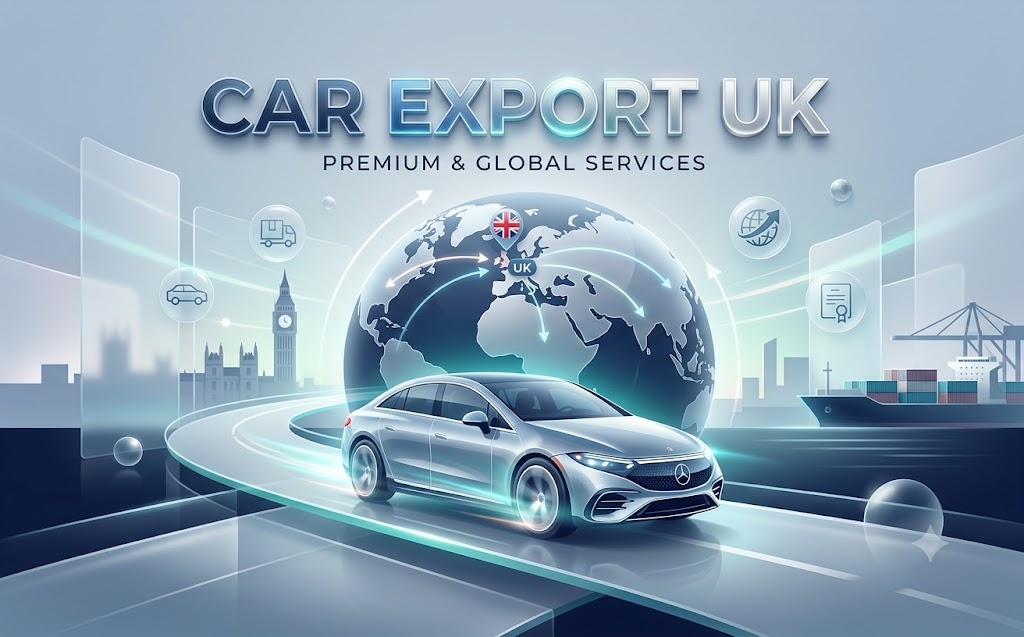
car export UK
The global automotive trade continues to witness substantial growth, with thousands of vehicles being moved across borders daily. For individuals relocating overseas, vehicle dealerships looking to expand market reach, or collectors exporting classic models, mastering the complexities of transnational logistics is essential. When it comes to managing a secure and cost-effective RORO car export UK operation, choosing the right shipping methodology can dramatically streamline port procedures and minimize overhead costs.
Roll-on/Roll-off (RORO) logistics serves as the cornerstone of international vehicle redistribution. By utilizing purpose-built ships designed for rapid automated processing, exporters can move wheeled cargo safely across major ocean lanes without facing the structural limitations of standard container shipments.
Understanding the Framework of Automated Maritime Freight
Unlike standard containerized shipping where vehicles must be securely stuffed inside static 20-foot or 40-foot steel boxes, RORO vessels operate identically to large, multi-story floating parking decks. These vessels are engineered with specialized internal ramp networks that allow vehicles to move via their own mechanical power.
The operational sequence relies heavily on professional execution. Trained port handlers drive the vehicles directly up the loading ramps and into the climate-controlled hull of the ship. Once positioned in designated parking bays, every asset is secured tightly to the vessel’s deck using heavy-duty webbing straps rated for deep-sea conditions. For fleet managers and private owners looking to streamline international supply chains, organizing a professional car export UK process ensures that assets clear customs quickly and transit smoothly through highly integrated maritime networks.
Core Advantages: Why RORO Leads the Vehicle Logistics Market
While container freight serves a distinct purpose for salvaged vehicles or combined household goods, RORO systems provide unparalleled commercial benefits for standard automotive transit:
- Maximum Cost containment: RORO shipping lines charge clients based exclusively on the volumetric footprint and specific deck space consumed by the vehicle. This shared infrastructure model shields individuals from the premium costs associated with hiring an exclusive container unit.
- Rapid Terminal Staging: Because RORO logistics completely bypasses the need for container packing, sealing, and heavy industrial crane lifts at the docks, terminal handling charges (THCs) remain exceptionally low at both departure and destination terminals.
- Exceptional Dimensional Adaptability: Modern RORO ships feature adjustable internal decks with extra-high vertical clearance. This allows them to effortlessly accommodate large commercial vans, high-sided agricultural combines, motorhomes, and heavy industrial machinery that cannot physically fit inside standard container dimensions.
Essential Protocol for Preparing Your Vehicle for Sea Transit
To experience an uninterrupted path through customs control and port biosecurity inspections, maintaining a rigorous vehicle preparation protocol is mandatory before arriving at the departure bay. Because port personnel must manually drive your vehicle onto the vessel, specific operational guidelines apply.
First, dismantle or remove all personal belongings and aftermarket cargo from the cabin. International maritime safety regulations strictly prohibit leaving personal luggage, clothing, or loose merchandise inside the vehicle during deep-sea voyages to prevent cargo shifts and theft opportunities. Only the factory spare wheel, vehicle jack, and standard mechanical tools are permitted inside.
Second, verify that the mechanical core of the vehicle functions flawlessly. The braking systems, steering rack, and starter motor must operate perfectly. Keep the fuel reservoir restricted to approximately one-quarter of a tank. This level provides sufficient fuel for port-side maneuvers while limiting the fire hazards linked to high volumes of combustible fluids on ocean vessels. Finally, clean the vehicle thoroughly, paying close attention to the undercarriage. Global biosecurity departments enforce uncompromising cleanliness laws, and any dried mud or organic soil found on the chassis can cause immediate quarantine delays. Coordinating your RORO car export UK framework with an experienced transit provider ensures all these technical guidelines are fully addressed before the ship sets sail.
Primary Cost Determinants in Transnational Automotive Logistics
The total budget needed to move a vehicle across international lines is determined by real-time market conditions and technical parameters. While RORO remains the most economical strategy, final quotes are calculated using specific metrics:
- Exact Volumetric Footprint: Ocean freight bills are fundamentally driven by the physical length, width, height, and gross mass of the cargo. A small hatchback will naturally cost far less to allocate space for than a premium commercial utility vehicle or an extended cargo van.
- Trade Corridor Traffic: Oceanic pathways that enjoy consistent commercial volume—such as routes linking major UK hubs to Mediterranean ports, Australia, South Africa, or the Middle East—benefit from highly competitive pricing structures and dependable schedules.
- Inland Towing Logistics: If you require door-to-port transportation, the expense of loading your vehicle onto an inland car carrier to haul it from your property to terminal yards like Southampton, Tilbury, or Bristol will be factored into the overall service fee.
Frequently Asked Questions (FAQ)
Are vehicles protected from ocean weather elements on a RORO vessel?
Yes. Modern RORO ships are constructed with completely enclosed, weather-sealed cargo decks. Vehicles remain completely insulated from ocean winds, heavy rain, and corrosive saltwater spray during the entire deep-sea transit.
Can non-running vehicles use RORO shipping channels?
Yes, many ocean lines accept non-runners under specific terms, provided the vehicle can still be steered and rolled. These assets are winched or towed onto the ship using specialized trailers, though carriers usually assess an extra handling fee for this service.
What paperwork must be compiled for UK export clearance?
To satisfy UK customs regulations for international vehicle export, you must provide the original V5C logbook (registration document), a clear bill of sale proving vehicle ownership, a copy of your passport, and a valid photo identification card.
What is the typical transit duration for RORO shipping from the UK?
Transit times depend entirely on the final geographic port. Regional European voyages take a few days, shipments to the Mediterranean or Middle East average 2 to 3 weeks, while long-haul transits to Australia, New Zealand, or East Asia span 4 to 7 weeks.
Conclusion
Managing international automotive distribution can be exceptionally straightforward when utilizing the proper transport frameworks. Choosing professional RORO shipping provides global shippers with an ultra-efficient, highly predictable, and deeply economical path to move vehicles across borders safely. By preparing your paperwork carefully, fulfilling port mechanical requirements, and relying on trusted shipping frameworks, you can confidently ensure your vehicle lands safely at its destination port without unexpected hurdles.
About the Author