sites for ticket gamificationsummit
The modern event industry has evolved far beyond traditional ticket sales and physical entry passes. Today, digital transformation has reshaped how users discover, purchase, and experience events. One of the most impactful innovations in this space is the integration of gamification into ticketing systems, which enhances engagement, boosts participation, and creates immersive experiences for attendees.
In this comprehensive guide, we will explore how event ecosystems function, how gamification enhances user interaction, and how technology drives innovation in ticketing platforms. Throughout this discussion, we will also examine practical applications and real-world strategies that businesses use to improve audience engagement and revenue generation.
In the middle of this evolving landscape, sites for ticket gamificationsummit represents a conceptual framework that helps understand how gamified ticketing ecosystems are structured and optimized for modern digital events.
Understanding the Event Ticketing Ecosystem
Event ticketing systems are no longer simple transactional tools. They have evolved into complex digital ecosystems that integrate user data, payment gateways, analytics, and engagement systems. These platforms are designed to manage large-scale events efficiently while ensuring a seamless experience for users.
Modern ticketing ecosystems include multiple components such as event discovery platforms, booking engines, seat allocation systems, and digital verification tools. Each component plays a crucial role in ensuring that the entire process remains smooth and efficient.
Within this ecosystem, sites for ticket gamificationsummit highlights how gamified layers can be added to traditional systems to increase user participation and retention. Instead of simply purchasing a ticket, users now engage with interactive challenges, reward systems, and loyalty-based incentives that enhance the overall experience.
These systems are particularly effective for conferences, expos, concerts, and summits where audience engagement is a key performance metric.
The Role of Gamification in Modern Events
Gamification refers to the use of game-like elements in non-gaming environments to encourage participation and engagement. In the context of event ticketing, gamification introduces features such as points, badges, leaderboards, and reward systems.
These elements transform passive ticket buyers into active participants who engage with the platform even before the event begins. This increases anticipation and creates a sense of community among attendees.
When analyzing advanced engagement strategies, sites for ticket gamificationsummit provides a structured understanding of how gamification mechanics are integrated into ticketing workflows. It demonstrates how behavioral psychology can be used to influence user actions, such as early registrations or social sharing of events.
Gamification also helps organizers collect valuable data on user preferences, which can be used to improve future events and marketing campaigns. tickets 2021 websites for gamificationsummit
How Digital Ticketing Platforms Operate
Digital ticketing platforms are built on a combination of frontend interfaces, backend systems, and cloud-based infrastructure. These platforms must handle high traffic, secure transactions, and real-time updates simultaneously.
The process typically involves:
- Event listing creation
- User registration
- Ticket selection
- Payment processing
- Digital ticket issuance
Each step is optimized for speed and security. Advanced platforms also include QR-based entry systems and blockchain verification for fraud prevention.
This transformation has significantly improved user retention rates and overall event satisfaction.
Enhancing User Experience in Ticketing Systems
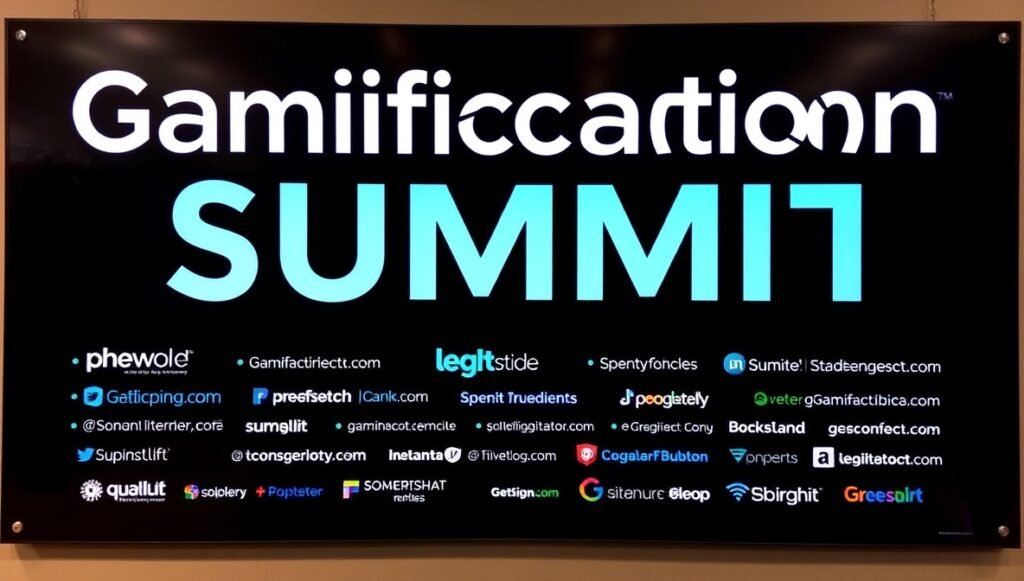
User experience (UX) is one of the most important aspects of any digital platform. In ticketing systems, UX determines how easily users can navigate events, purchase tickets, and engage with additional features.
A well-designed interface ensures that users can complete actions without confusion or delay. Features such as personalized recommendations, smart search filters, and responsive design contribute to a smoother experience.
Modern UX strategies also include gamified onboarding processes that guide users through platform features. This is where sites for ticket gamificationsummit becomes relevant, as it illustrates how interactive design elements can improve user satisfaction and increase conversion rates.
By combining usability with engagement, ticketing platforms can create a more enjoyable and memorable user journey.
Security and Fraud Prevention in Digital Ticketing
Security is a critical concern in digital ticketing systems due to the high volume of financial transactions and personal data involved. Platforms must implement robust security measures to prevent fraud, hacking, and unauthorized access.
Common security techniques include encryption, multi-factor authentication, and secure payment gateways. Additionally, digital tickets often include unique identifiers that prevent duplication or misuse.
Gamified systems also incorporate security incentives, where users are rewarded for verified actions and legitimate participation. In this framework, sites for ticket gamificationsummit helps conceptualize how engagement and security can work together without compromising user experience.
By integrating security into the core design, platforms can build trust and ensure long-term user retention.
Marketing Strategies for Event Platforms
Marketing plays a vital role in the success of any event. Digital ticketing platforms rely heavily on targeted campaigns, social media integration, and influencer collaborations to attract audiences.
Gamification enhances marketing by encouraging users to share events, invite friends, and participate in promotional activities. This creates organic growth and increases visibility across digital channels.
Referral programs, early-bird rewards, and interactive campaigns are commonly used strategies. In this environment, sites for ticket gamificationsummit highlights how gamified marketing systems can significantly boost engagement and conversion rates.
By turning users into active promoters, event organizers can reduce advertising costs while increasing reach.
Technology Behind Modern Ticketing Systems
Modern ticketing platforms rely on advanced technologies such as cloud computing, artificial intelligence, and real-time analytics. These technologies enable scalability, personalization, and automation.
Cloud infrastructure ensures that platforms can handle high traffic during peak event registrations. AI algorithms help recommend events based on user behavior and preferences.
Data analytics provides insights into user engagement patterns, helping organizers optimize future events. In this technological ecosystem, sites for ticket gamificationsummit serves as a conceptual model for understanding how multiple technologies integrate to create a seamless gamified experience.
The combination of these technologies ensures efficiency, reliability, and innovation in event management.
Future of Gamified Ticketing Systems
The future of ticketing systems lies in deeper personalization and immersive experiences. Emerging technologies such as augmented reality, virtual reality, and blockchain are expected to transform how users interact with events.
Blockchain can provide transparent ticket ownership, while AR/VR can create virtual event experiences that replicate physical attendance. Gamification will continue to evolve, offering more dynamic and interactive engagement models.
As these innovations develop, sites for ticket gamificationsummit represents a forward-looking framework that helps understand how future systems will integrate entertainment, technology, and user engagement into a unified experience.
This evolution will redefine how people attend and experience events globally.
Challenges in Implementing Gamified Ticketing
Despite its benefits, gamified ticketing also presents several challenges. These include high development costs, technical complexity, and user adoption barriers.
Some users may find gamification unnecessary or confusing if not implemented properly. Additionally, maintaining system security while adding interactive features can be complex.
However, when executed correctly, gamification can significantly enhance user engagement and business performance. In this context, sites for ticket gamificationsummit demonstrates how structured design approaches can help overcome these challenges effectively.
Proper planning and user-centered design are essential for success.
FAQs
What is gamification in event ticketing?
Gamification in event ticketing refers to adding game-like features such as rewards, points, and challenges to make the ticketing process more engaging and interactive for users.
Why is user experience important in ticketing platforms?
User experience ensures that customers can easily navigate the platform, purchase tickets, and engage with features without confusion, improving satisfaction and conversion rates.
How does security work in digital ticketing systems?
Security is maintained through encryption, authentication, and unique digital identifiers that prevent fraud and ensure safe transactions for users.
In modern digital ecosystems, sites for ticket gamificationsummit helps illustrate how these security mechanisms can coexist with gamified engagement features.
Conclusion
The evolution of event ticketing systems reflects the broader transformation of digital experiences in today’s world. From simple ticket sales to fully integrated engagement platforms, the industry has embraced innovation at every level.
Gamification, technology integration, and user-centric design are now essential components of modern ticketing ecosystems. These elements not only improve user engagement but also enhance operational efficiency and business growth.
As the industry continues to evolve, frameworks like sites for ticket gamificationsummit provide valuable insight into how future systems will combine interactivity, security, and personalization to create next-generation event experiences.
About the Author